In this blog post, our Center City and Main Line pediatricians provide guidelines for protecting kids in sports against common risks such as concussions and overuse injuries. In kids, concussions especially must be taken seriously.
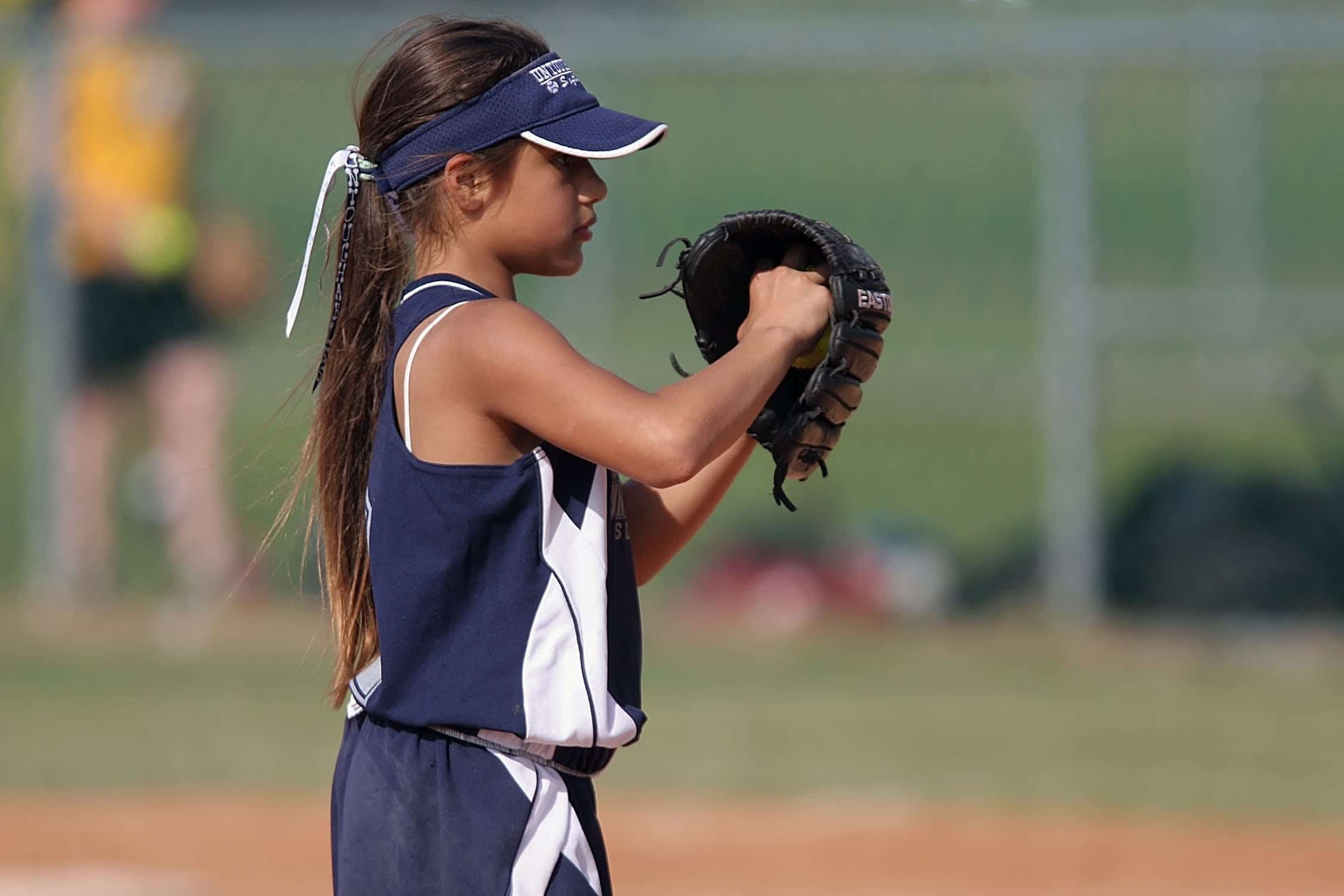
Sports are a large part of many youths’ lives. There are many developmental achievements that children learn through athletics, including lifelong fitness, teamwork, and leadership.
However, playing sports at any level does come with risk of injury. Taking a few precautions as your child begins his or her sport participation can help reduce risk of overuse injuries and participant burnout.
Overuse Injuries in Children
Young athletes are still experiencing growth – this puts them at higher risk for injuries than adults who are no longer growing. Sometimes, particular sports may lead to specific injuries (such as tennis elbow or shin splints in runners), and it is important to watch for signs of these if your child is playing the sport. When any child complains of repeated pain with activity, rest from that activity is essential. Signs of overuse injury include:
- Pain that increases with activity
- Swelling
- Changes in form or technique
- Decreased interest in practicing the sport
If you note any of these in your child, please contact the office.
Many of these injuries can be prevented by:
- Participating in only one sport per season
- Training no more than 5 days per week
- Varying the types of sports a child participates in throughout the year (i.e. not specializing in any one sport)
Participant Burnout
“Burnout” occurs when an athlete loses interest in the sport that he or she once enjoyed. Signs of burnout may include:
- Moodiness regarding the sport
- A loss of interest in other activities (including schoolwork)
- Physical complaints such as chronic muscle/joint pain or fatigue
It is important for parents to talk openly with children about their interest in the sports they are playing and what their goals are in playing them. Participation should be driven by the child rather than the parent; when the child’s enthusiasm wanes, parents need to be accepting that the child may no longer desire to play the sport.
Concussion in Kids
Not all concussions can be prevented in sports. Improved head protection and rules reducing the risk in sports such as youth football have yielded positive results, particularly in certain sports that had previously led to higher rates of concussion injuries. We now know that early recognition of concussion symptoms can help reduce the severity and shorten recovery.
Concussions are treated like any other sports injury – rest leads to recovery. Each child’s recovery process is different and requires gradual returning to activity as tolerated. If a child has another traumatic brain injury (such as a concussion) while recovering from a second concussion, he or she can have lasting brain deficits. If a child tries to push through concussion symptoms rather than resting, the time to full recovery can lengthen.
The following infographic from the American Academy of Pediatrics’ healthychildren.org outlines the symptoms of concussions:
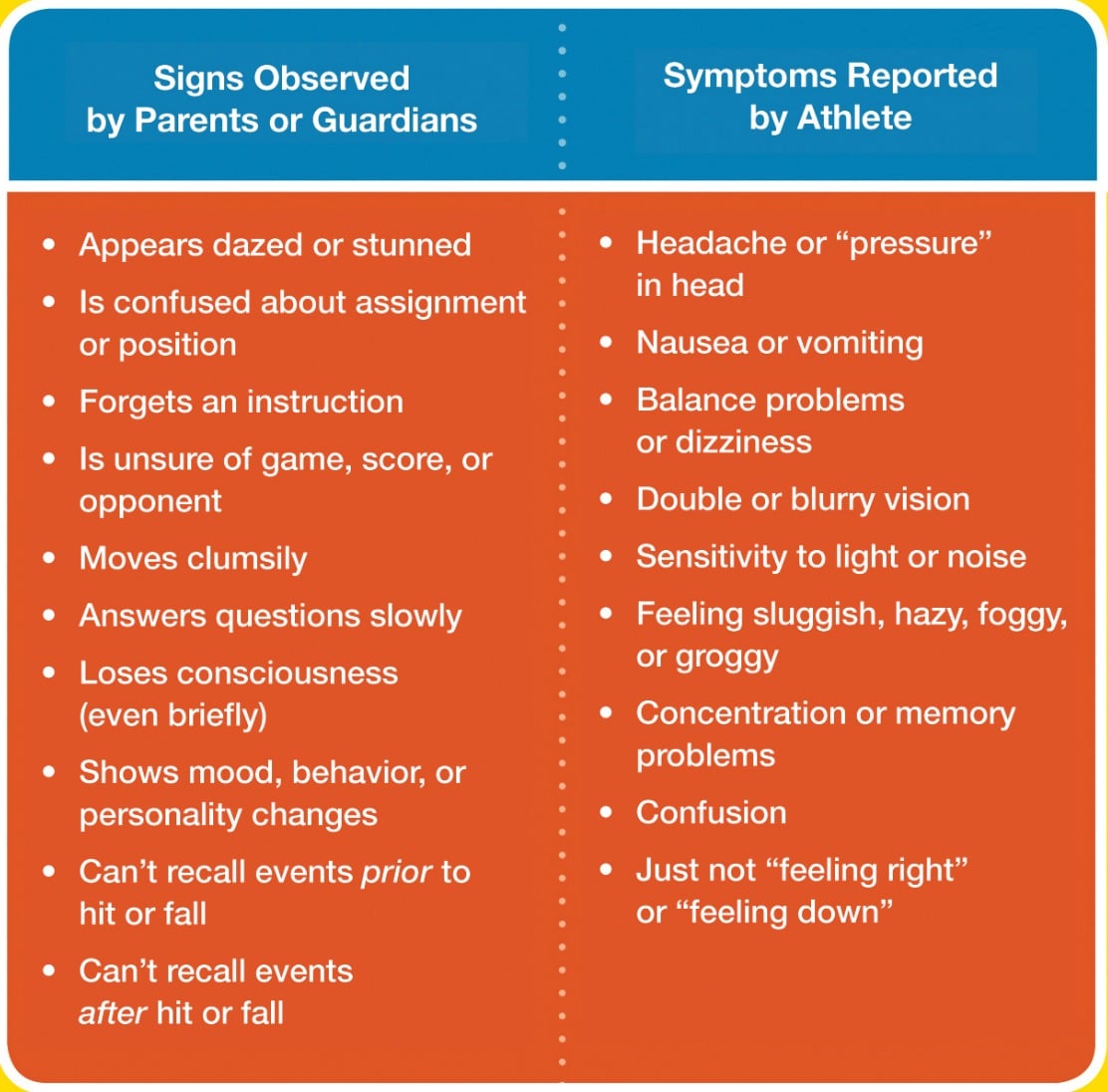
Families need to work together with their physicians, teachers, coaches, and schools to help their children recover from a concussion. It is important to teach children that they should not ignore signs of any head injury, even in the middle of a competition. Balancing between rest and activity is essential during the recovery process.
If you believe that your child has suffered from any head injury, including a concussion, it is important to contact the office for a physical evaluation and to develop a “Return to Learn” and a “Return to Play” plan for your child.
For more information on returning to sports and school post-concussion, check out the concussion resources on our website.
References:
https://www.healthychildren.org/English/healthy-living/sports/Pages/Sports-Sense.aspx
http://orthoinfo.aaos.org/topic.cfm?topic=A00613
Note: The information contained in this article has been provided as general health information and does not constitute specific medical advice for your child.
 33 Rock Hill Rd
 1740 South Street
 2365 East York Street